Proper packaging is important in ensuring the safety of goods during transport across cities, countries or international borders. Vibration, motion, pressure, moisture and rough handling can occur during cargo transport. Therefore, it could make a huge difference if the right packaging solution is chosen. The two popular options are wooden dunnage and traditional packaging materials. Which one is better to protect, though?
This will depend on what type of goods are being transported, how the goods are being transported, and what level of protection is needed.
Wooden Dunnage Definition.
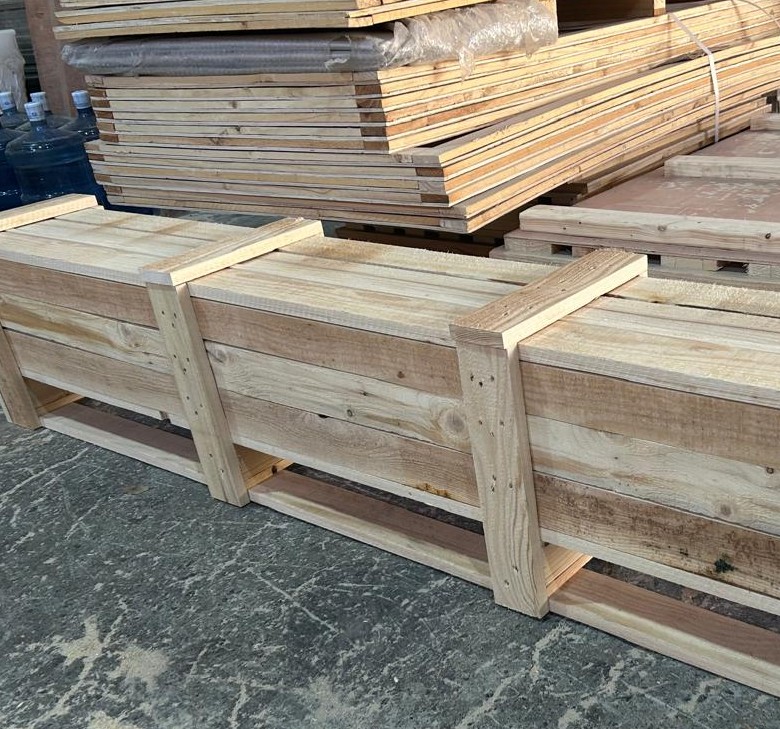
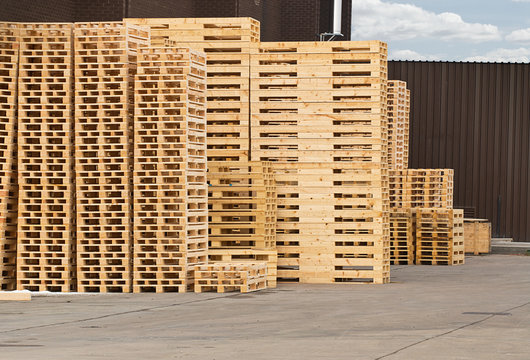
Wooden dunnage are sections of wood used to hold, support, divide and/or protect goods in transit and while in storage. It is often used to stop products from moving, under heavy equipment, or to guard cargo.
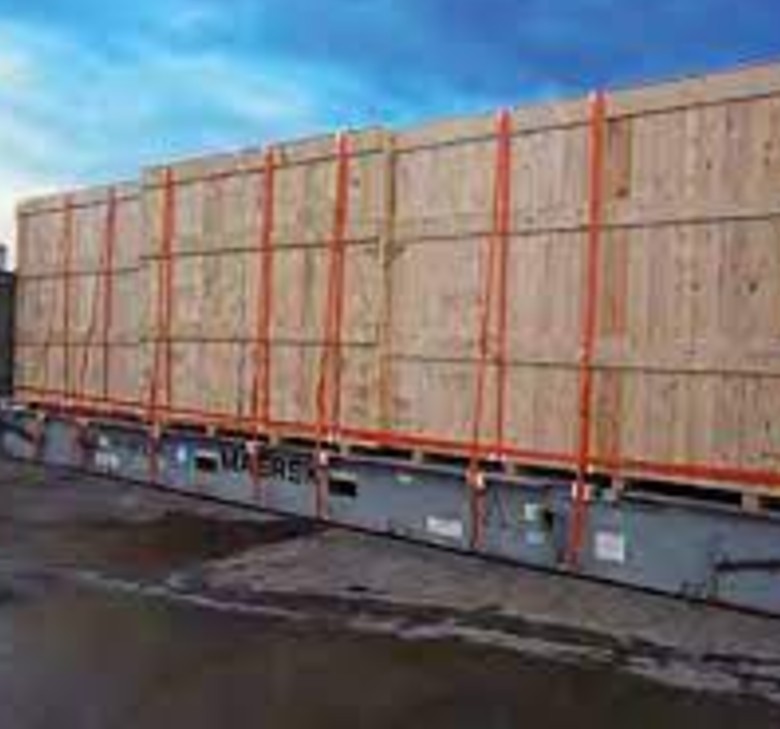
Wooden dunnage has great physical support for heavy machinery, industrial equipment, metal products, pipes and large components. Reduces weight distribution and stabilizes items in containers, trucks, or warehouses.
It has a lot of benefits, the most notable being that it can carry heavy loads. Well selected and arranged timber can provide a solid foundation and minimize unnecessary movement of the goods during transport.
What’s Traditional Packaging Materials?
Common packaging materials are typically cardboard boxes, plastic wrap, foam, bubble wrap, paper-based cushions, and other protective materials. They are useful for the products which are lightweight and fragile, and cushioning and surface protection are the main concern.
For instance, the use of bubble wrap can help prevent scratches, and foam can help absorb any minor impacts. Corrugated cartons are convenient for packing smaller products and are easy to handle.
But, these materials won’t always be enough to get big, bulky items to their destination. Too much weight or moving too much causes carton damage, compaction of cushioning materials, or loss of protection.
Wooden Dunnage vs. Traditional Packaging
The key difference is the kind of protection which each solution offers. The primary goal of traditional packaging is to provide cushioning and surface protection, while the primary goal of wooden dunnage is to provide support, stability and load control.
Wooden dunnage is especially beneficial for heavy industrial goods, as it can help stop goods from shifting during transport. It is also able to form gaps between the cargo and the bottom of the container according to its packing structure.
However, traditional packaging may be more functional for consumer goods, electronics, small parts, and products that need scratch and dust protection or minor impact.
In many instances, it just isn’t feasible to pick just one. Wooden dunnage can be used in combination with other packaging materials to offer more protection.
Why Wooden Packaging Materials Matter
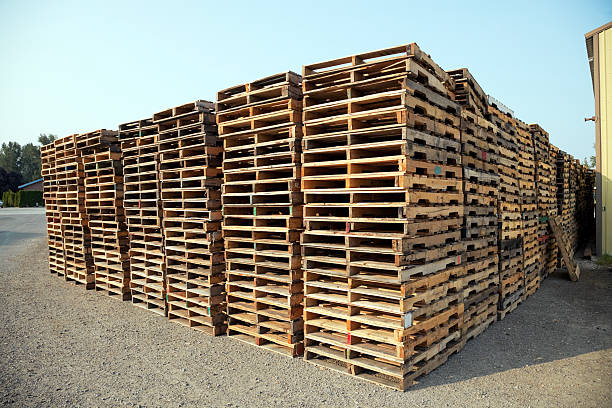
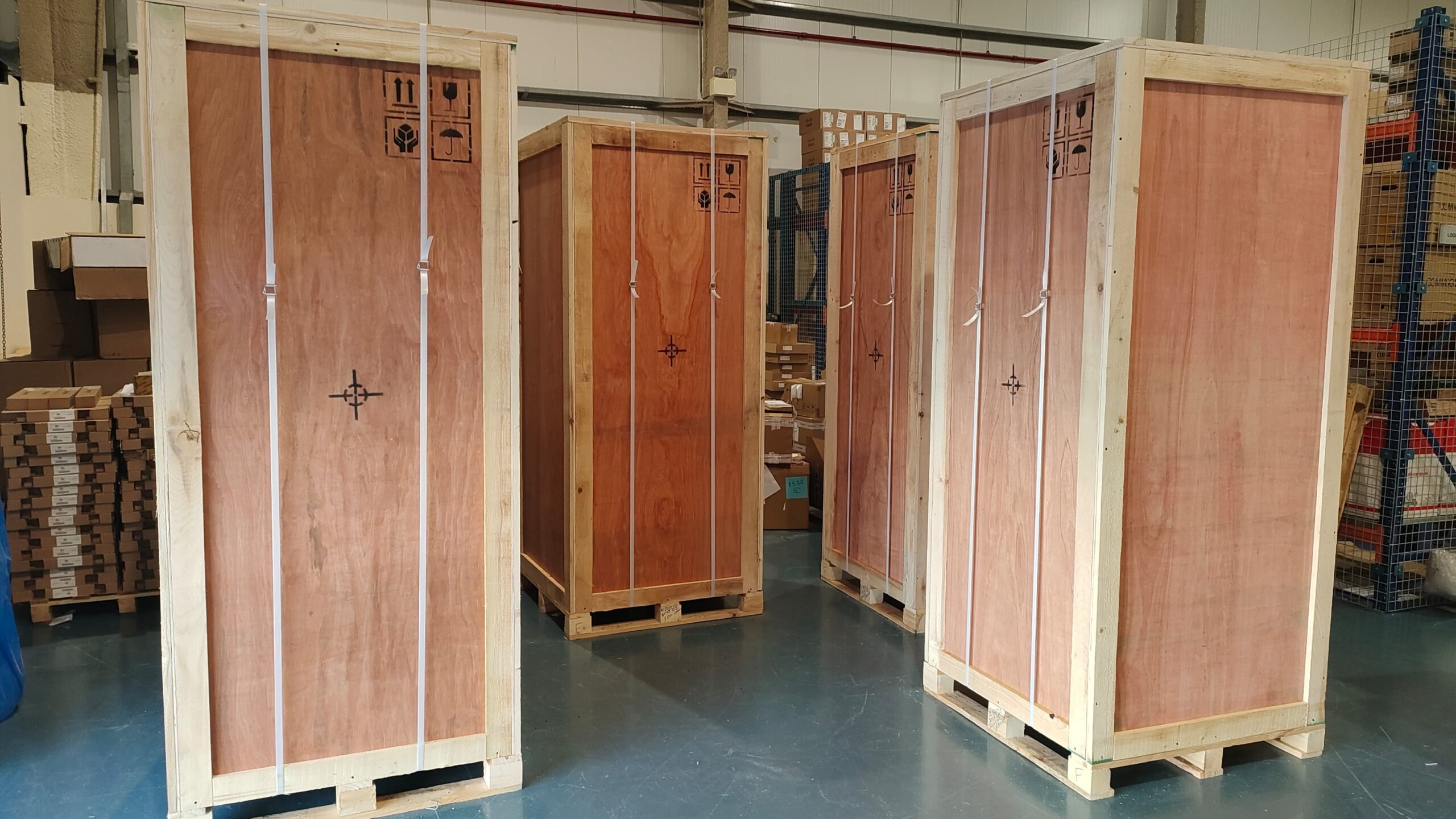
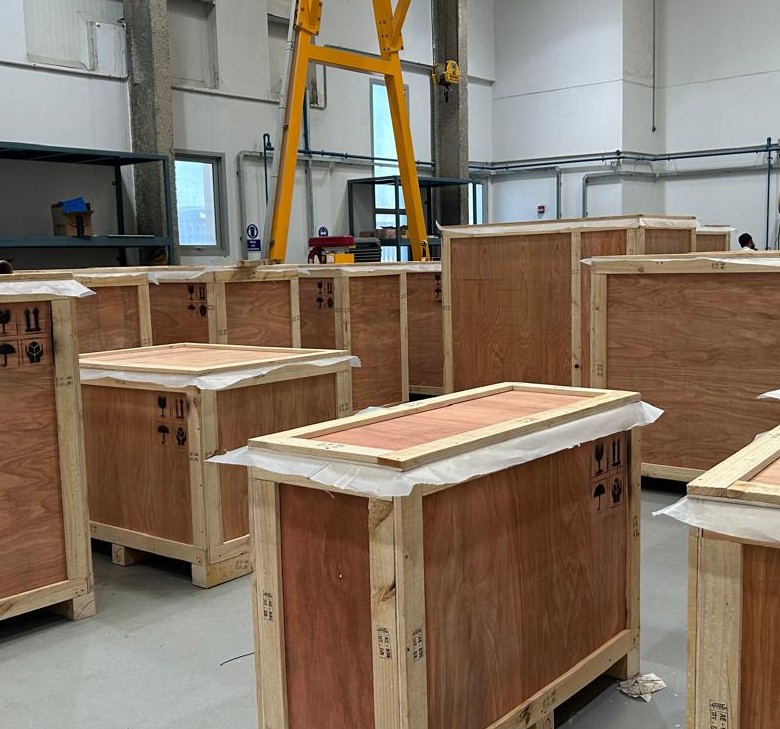
Properly selected Wooden Packaging Materials can improve the safety and efficiency of cargo handling. The wooden crates, skids, pallets, blocks, braces and separators can be chosen depending on the size and weight of the shipment.
For instance, if a heavy machine is being used, it may need a strong wooden base for its stability, and extra wooden blocks can stop it moving sideways. When wrapping, then, the protective wrapping will be added to lower the exposure of dust or moisture.
This combination offers the structural strength needed and shields the surface of the cargo.
Which One is Better?
No single packaging method will be suitable for all shipments. Traditional packaging might be enough for lightweight products and fragile goods and might be more convenient.
Wooden dunnage can be particularly useful for large, bulky, odd-shaped, and industrial goods. It is particularly useful in situations where prevention of cargo movement is a significant issue.
The best way to do it is to evaluate the merchandise first to choose packaging. Take into account its weight, size, centre of gravity, fragility, transportation path and its handling conditions.
Final Thoughts
Wrap isn’t the only thing to cargo protection. The packaging should be suitable to ensure the stability of the goods since they are loaded onto the conveyance until they are delivered to the destination. Wooden dunnage can be used to provide strength and stability, which is useful for many applications, while traditional packaging materials are still effective.
Choosing the right Wooden Packaging Materials and using them in conjunction with appropriate cushioning or protective coverings can provide a safer, more reliable, and more effective packaging system, that meets the needs of transportation.