Handling steel pipes; constructing and transporting them safely is an important task for construction companies, industrial suppliers and infrastructure contractors. Steel pipes find their uses in various industrial applications, construction, oil and gas industry, in the manufacturing of steel products and in plumbing. That is why pipes made out of steel can also be damaged during the process of transporting them, if they are not packed, handled and secured properly.
Some potential issues during loading and delivery are scratches, dents, corrosion, bending and broken pipe ends. These are concerns that can impact product quality, present incremental expense (IEP) and construction timing problems. Some measures may be employed to reduce these issues, including careful selection of packaging as well as transportation procedures.
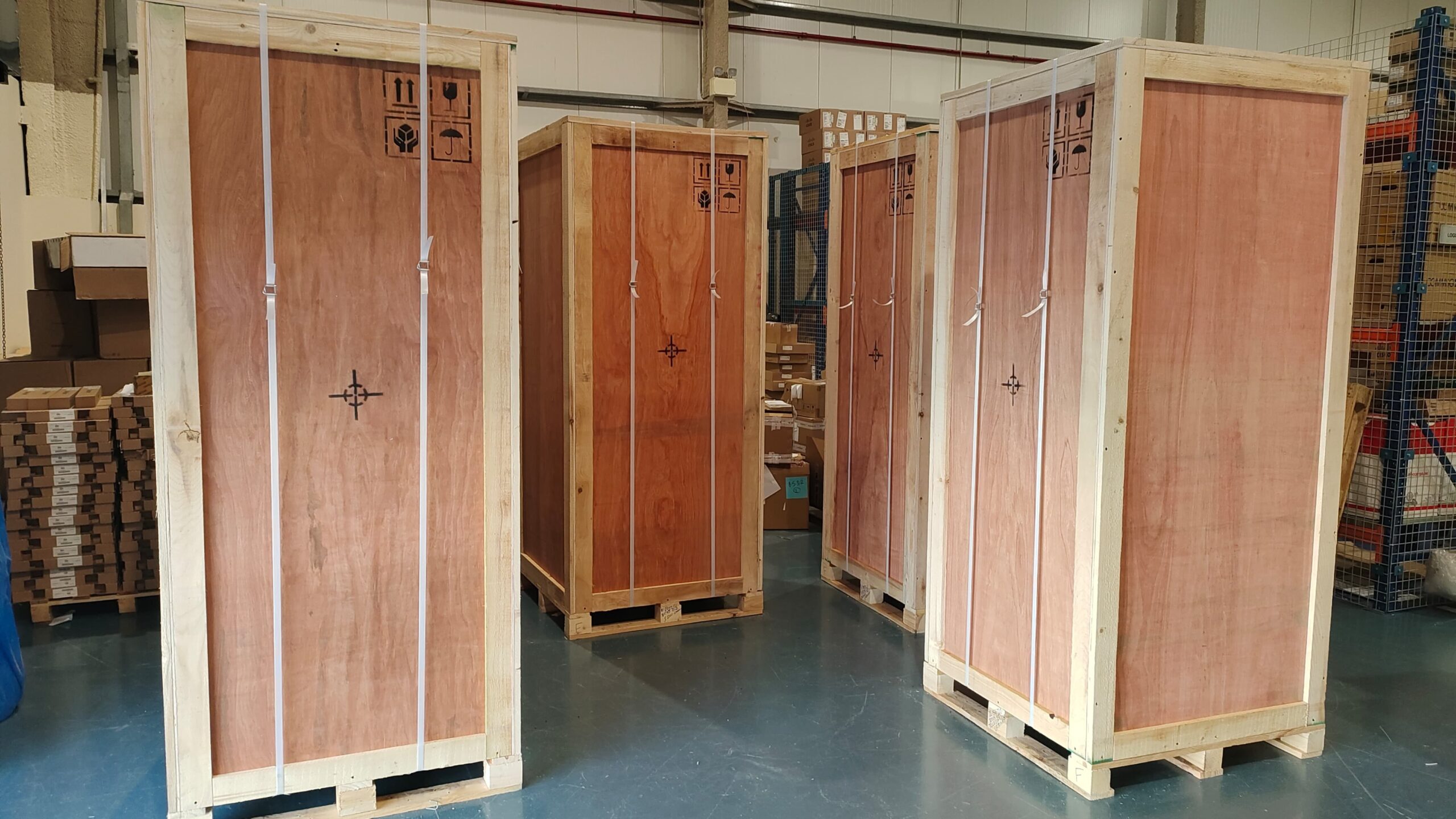
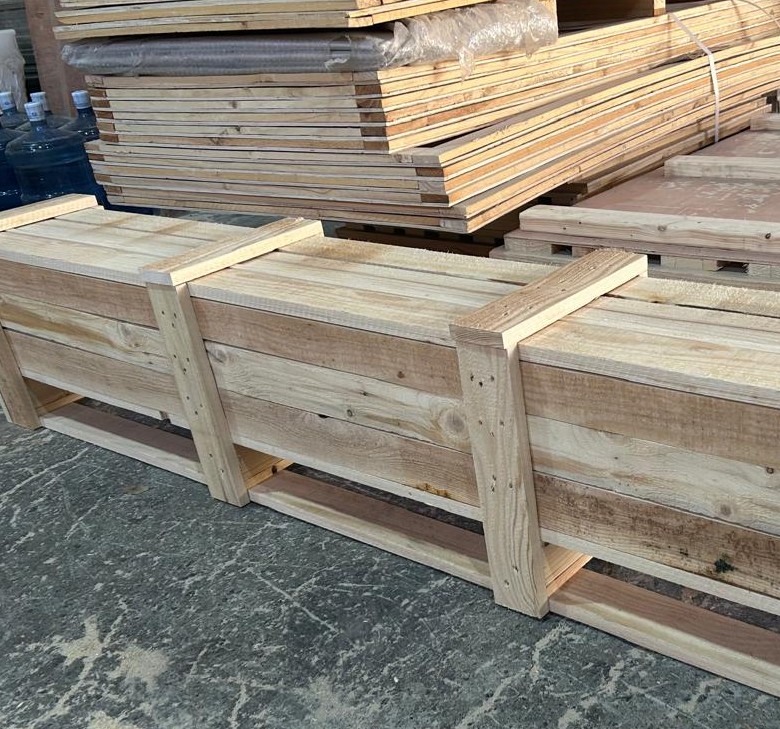
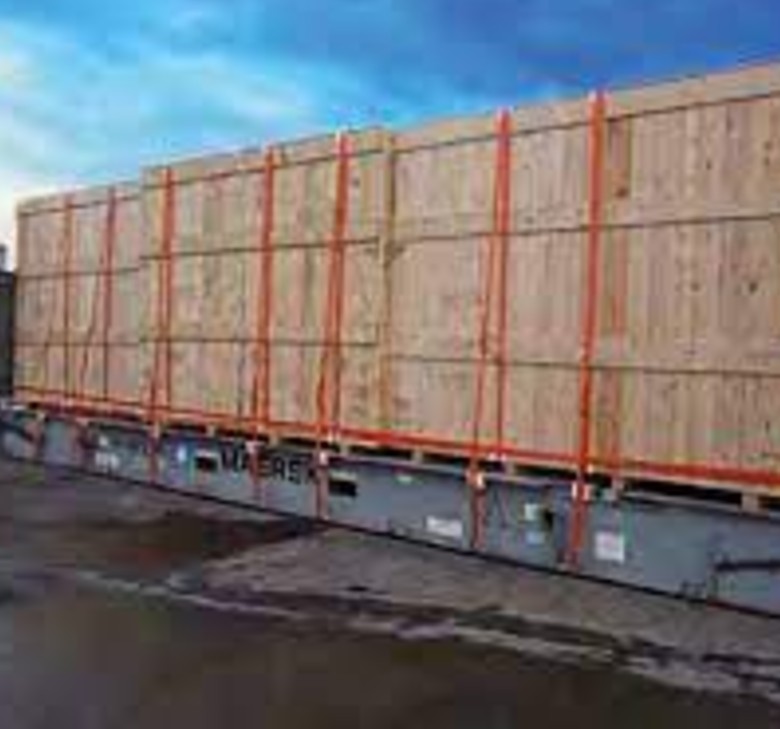
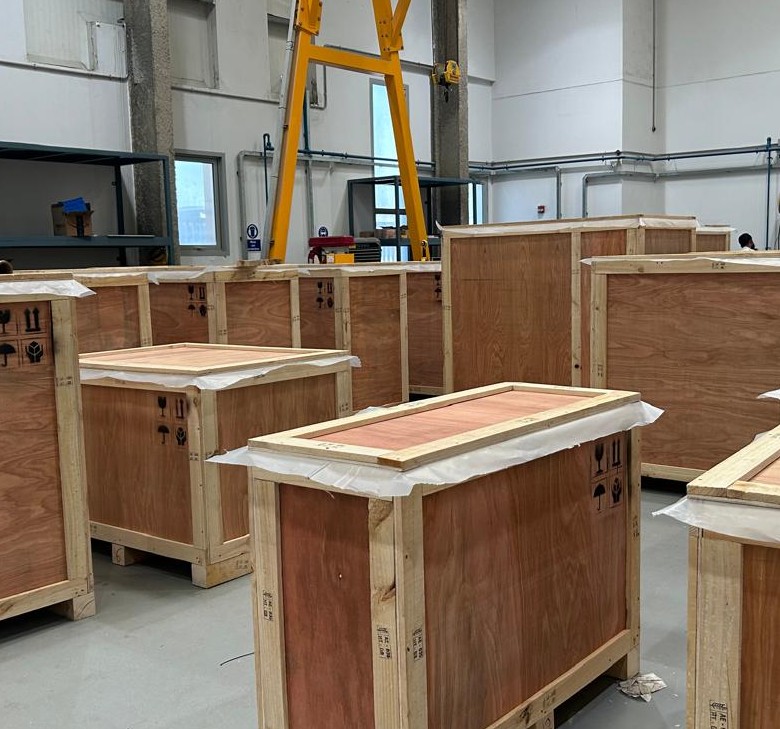
Wooden Crates in UAE is a practical solution for businesses dealing with industrial materials to ensure the steel pipes are safely stored and transported, especially over long distances.
1.The initial step is to wisely select the best packaging materials for steel pipes.
The most important thing to do before safely moving steel pipes is to choose appropriate packaging which will be able to take the weight and keep them from some outside damage.
Steel pipes tend to be very heavy, long and hard to manage. Regular cardboard containers and flimsy wooden pallets might not give sufficient protection. Wooden strength packaging provides greater structural support, and can help hold pipes stable as they are transported.
The size, weight, quantity, and transport needs of the pipe materials can be the basis of considering custom wooden crates for industrial materials in UAE.
Specially crafted crates can be beneficial:
Be sure not to move pipes while in transit.
- Take care to not damage pipes with scratches and hits.
- Provide help with load in lifting and handling.
- Minimize the risk of damage from stacking and storage.
- Target increased organisation when loading and unloading.
The packaging design should always be based on the actual load and handling situation.
2. Cost of Steel Pipes for Transporting and Packing
A lot of damages in transport occur from inadequate packing of steel pipes before they are shipped. Understanding the process of steel pipe packing for transport can minimise otherwise preventable risks for construction companies.
To follow these are some important practices:
Clean and inspect the pipes: Inspect the pipes prior to packing for serious scratches, dents, moisture and corrosion. Apply protective coatings correctly, if necessary.
Use protective separators: Inspect and place protective separators, such as rubber, foam and other nonabrasive separators between pipes to prevent direct contact and surface scratching.
Educate pipe end protection: Ensure the use of appropriate pipe end caps and pipe protection covers to guard the pipe ends from dirt, moisture and impact damage.
Properly lay the pipes: Pipes should be sorted by size and weight. Be sure to keep them on level and be sure the load is unbalanced.
Secure the bundle: Appropriately rated steel or synthetic straps, with protective edge materials. Be careful not to overtighten the fitting as this could result in damage to the coating or pipe thinning (thinner walls).
With proper packing, handling will be easier and maintaining the condition of the pipe until the construction site will be maintained.
3.For improved support use heavy duty wooden pallets:
If you are a construction firm that is working on moving a lot of steel piping, pallets are a vital part of the safety of materials.
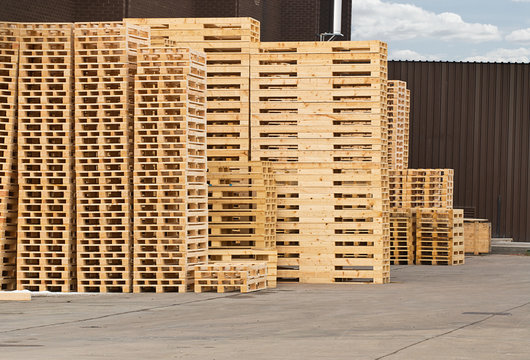
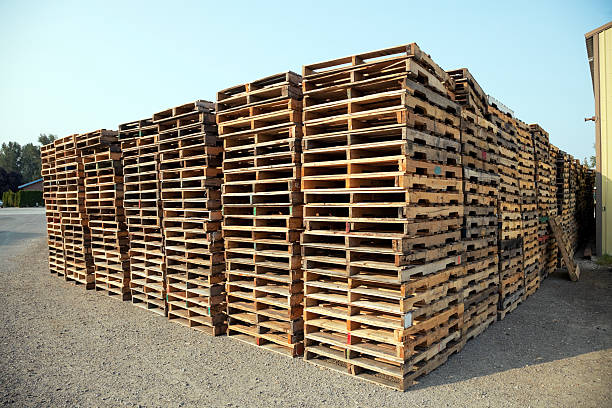
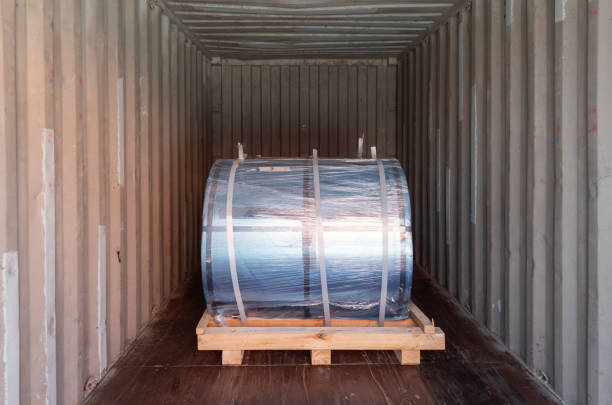
Steel pipe Pallets with a heavy duty wooden structure offer a secure foundation to organise and transport pipe transporting. They also make it easier to use forklifts and other material-handling equipment.
When choosing pallets, businesses need to take into account:
- The weight capacity of the pallets is a consideration – the pallets should be able to carry the combined load of the pipes.
- Good structure: Make sure that materials used are good quality timber and joints are tight.
- Suitable dimensions: Make sure that the pallet is able to support the length and width of the pipe with no overhangs forming, which would create instability.
- Fork lift access: Make space available for forklift safe lift-ups.
- Moisture protection: Ensure that the pipes and wooden supports are kept dry, to minimise the risk of corrosion.
Don’t expect a standard pallet to be able to hold heavy steel pipes. It should only be used after its safe working capacity and suitability has been confirmed.
4. When transporting pipes, make sure to secure them safely.
Even if well-packed, steel pipes can get damaged if they are placed in a truck or shipping container that has movement.
Shifting should be avoided by the use of suitable tie down straps, blocking, bracing and wooden supports in construction companies. Securing arrangement shall be appropriate to the pipe size, load weight, type and condition of vehicle used and conditions for transportation.
With longer pipes it is important to provide sufficient support throughout the length of the pipe to limit movement and prevent bending. Use appropriate lifting equipment during loading and unloading and also slings which are properly positioned to ensure balance.
Never place or drag pipes on a vehicle floor or use unprotected chains to lift pipes which can harm surfaces.
Proper packing and equipment have been pointed by IMO among the essential means to the safety of transportation.
5. Thinking about the weather and corrosion protection
When transporting steel pipes they can be subjected to rain, humidity, dust and varying temperatures. These factors can lead to problems with corrosion, especially if pipes are compromised with damaged protective coatings.
To mitigate these risks:CANTOEI should be:
- Zince in an appropriate corrosion protection method prior to shipping.
- Where necessary employ waterproof covers.
- Don’t allow moisture to be trapped in protective wrapping.
- Avoid pipes that come in contact with stagnant water.
- Check packages that have been transported for distance.
Steel pipes that have a coating should be handled with separators and supports which will not scratch or react with the steel coating.
6. Choose Reliable Wooden Packaging Solutions in UAE
Another essential component to safeguarding industrial materials is that they choose the right packaging supplier. Steel pipe packing companies with shipments to the UAE or overseas should find packing solutions that are appropriate to them.
Practical protection of the cargo is a crucial element when it comes to heavy industrial products which is where the importance of reliable wooden crates in UAE comes in handy during the event of design and manufacturing the crates as per the cargo specifications.
Before choosing a supplier, assess the quality of the timber, the construction of the crates, how much weight can they hold, if they can be customised and if they have experience with industrial packaging.
However, in case of international trips, businesses should also take into account the country to which the shipment is made and its wood-packaging requirements as well. Approval and marking requirements as per the ISPM 15 might be applicable for solidwood crates and pallets.
7. Why Is Proper Steel Pipe Packaging Important?
Proper packaging is not only to stop physical damages. It also enables a construction company to control transportation costs, product quality, material waste and project delays as well.
The right wooden crates, protective separators and durable pallets can go a long way, particularly when moving valuable industrial materials over large geographic areas.
Conclusion
Pre-conditions for transporting steel pipes without damage are the proper planning, appropriate packaging, fitting loading and careful handling. Whether it’s selecting durable wooden crates for industrial materials in UAE or heavy-duty pallets and protective supports, each measure enhances the safety of the transportation.
It is advisable that construction firms use packaging machinery made of wood, so that they know what to do with the wooden packaging machine that meets the needs of heavy industrial materials. With the appropriate packaging and beneficial cargo handling techniques, companies should be able to safeguard their steel pipes, reduce transport harm, and guarantee that the materials reach their destination in prime condition.